
Managing Stress Holistically | According to a Movement Coach & Yogi
- May 5, 2020
- 4 min read

Is it just me, or has this self-isolation been really straining on our mental health?
Since entering self-isolation, I have managed to (somewhat) stick to a fitness routine and the lack of eating-out has even contributed to my partner and I having healthier and more consistent meals. Although I have been making a solid effort in the physical health department (as health is wealth!), I still couldn‘t help but notice that my mental health has taken a backseat...
This all came to an abrupt halt a few days ago, when I had a mild freak out about having not left the house for over a week. I had been battling a cold and spent the week in bed, not taking my usual walks around the block, not meditating and over consuming social media. Without focusing on my mental well-being, I ended up reaching a boiling point and spewing out my stresses to my spouse!
Knowing this type of behaviour was unlike me, and particularly not fair to my spouse, I decided to consult an expert in this department and ask her for some tips. I also thought this may interest readers, incase anyone felt like they were in the same boat!
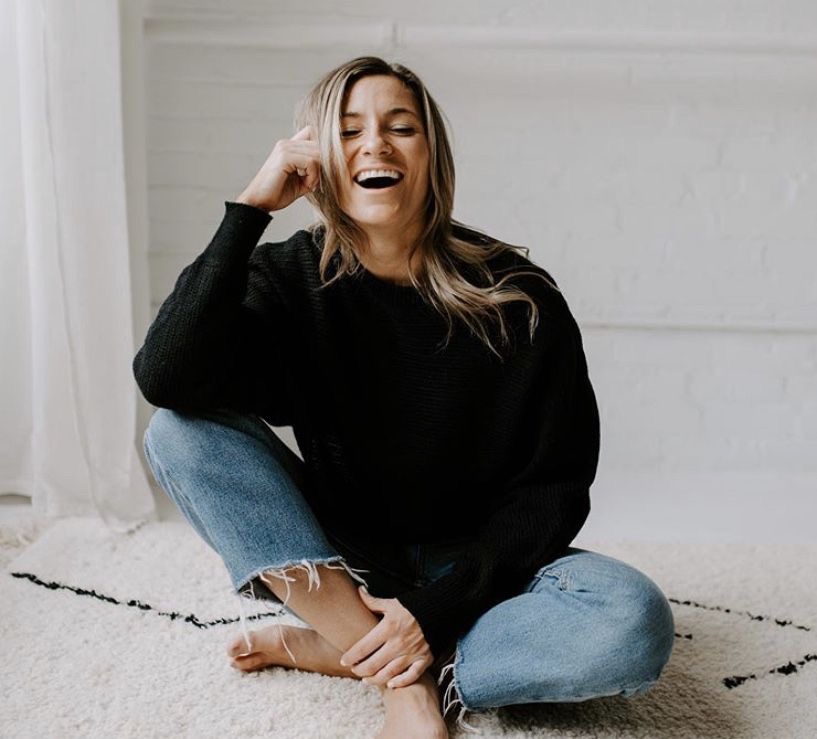
The first person I think of when I think of living a well-rounded, positive and active life is my girlfriend Shannon Hastings. Shannon is a movement educator, a yoga teacher, a creative entrepreneur, a writer, a speaker + a photographer. She is also the type of person that radiates positivity from a mile away, like walking sunshine. I was beyond happy when she accepted my offer to interview her on mental health tips in light of Covid-19, as she always prioritizes mental health in her life and I trust her opinion!
Q1: What are your key tips for managing anxiety and stress during quarantine?
A 1: My key tips would be:
Tip 1 | BREATHING!
I know it sounds so simple, but I find when we are anxious, fearful and stressed - we have short, shallow breathing which can feel like a brick on our chests. Taking big, long, deep, full breaths is a simple, yet effective way to get out of your head and into your body. We take thousands of breaths in a day and a lot of the time we don’t really notice or think about them.
I find that breath work is a realistic and attainable way to invite a meditation practice into your daily life. You might have found when you were reading this, that you took a deeper breath because our thoughts take over and we forget to breathe deeply. It’s a constant reminder to come back to yourself.
Exercise: breathe in for 5 seconds, breathe out for 5 seconds. repeat. Or breathe in for 4 seconds, hold it for 4, breathe out for 4, hold at the bottom of the exhale with no breath for 4 seconds. repeat.

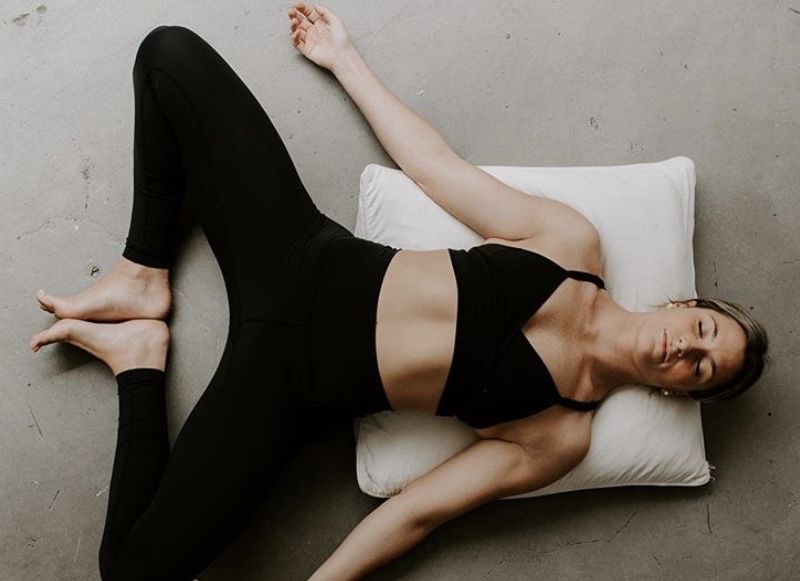
TIP 2 | Some form of movement!
I’m a huge fan of walking (#makewalkingcoolagain) because it’s simple yet can feel like an active form of meditation. We know the positive hormonal benefits of exercise and movement, and this is a FREE way to release endorphins and get out of our heads.
Walking + breath work is the best combo :)

Q2: Do you have a go-to daily tools or activities that assist you in prioritizing your mental health during this time?
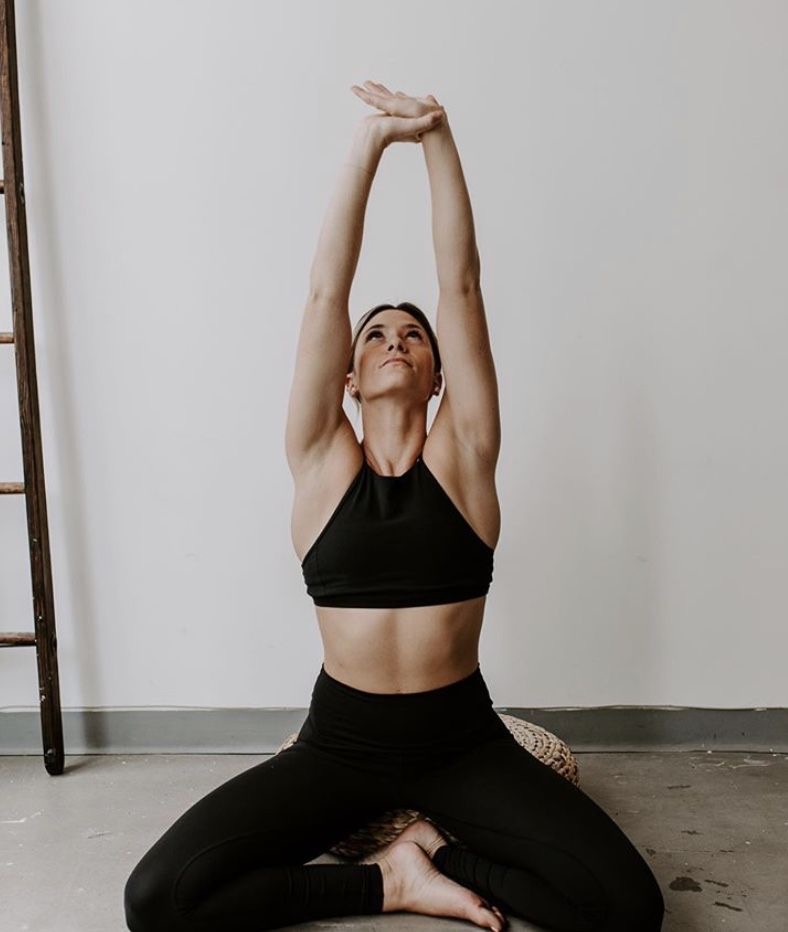
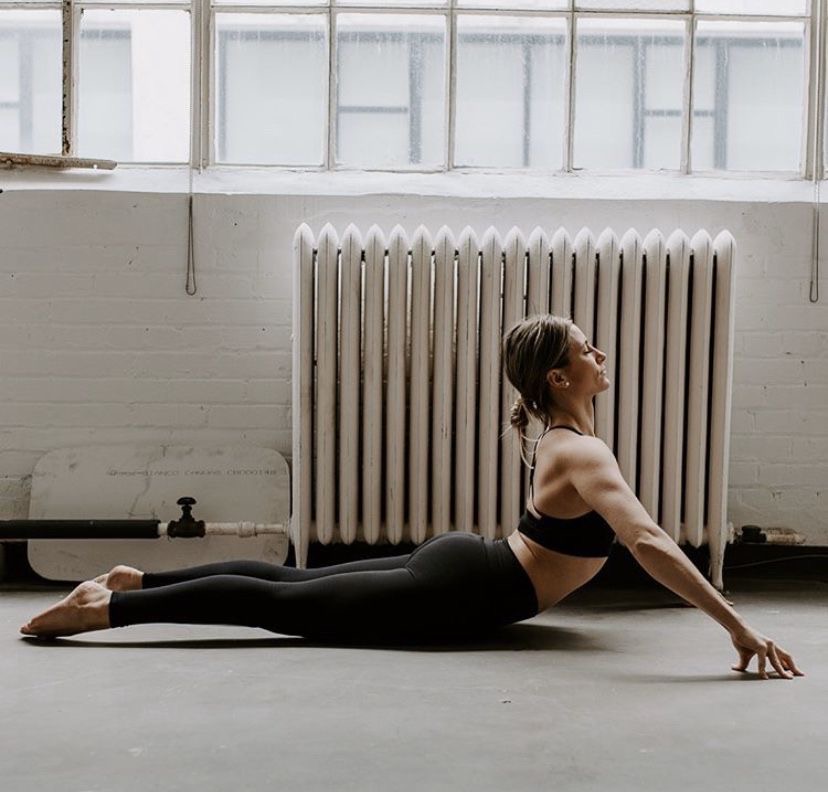
A2: The above two are my daily go-to’s but coming from a fitness background - movement is medicine for me. This can look like strength training, yoga, running, pilates, circuit training etc.
I believe in checking in with myself many times through the day by asking myself
“What do you need right now?”
“What will make you feel good right now?”
“What are you feeling right now?”
“How is your body feeling?”
And using that as a compass to move intuitively.
I, myself, know that I enjoy a morning routine. So I try to move my body in the morning which always makes me feel better. I’m also spending a lot less time on social media, watching the news and stressing about things I cannot control. I’m spending a lot more time reading, cooking, baking and connecting with my loved ones. Inviting a lot more presence into my life.

Q3: I personally use the mindfulness app ‘Headspace’, which walks participants through “mindful meditation”, and I have found that this has been really effective for me. Do you know any other online tools, or apps, that you think people could benefit from during quarantine?
A3: I don’t use the app Headspace but I do love it and I love how many people are introduced to meditation through this platform. The art of meditation is the most simple as it could ever be, yet we avoid stillness because it can feel uncomfortable. As a yoga teacher, I hear this often: “I can’t sit still!”
I get it. It’s not what we and our society deems as productive or successful. However, stillness is who we are. Simply put. So if we have a hard time being with ourselves, I believe that’s where we should start and continuously work on. You are the most important work and we need to understand ourselves before we can understand others.
I also believe meditation can show up in other forms that make people feel peaceful and “at-home” in their bodies. (Eg: running, painting, writing, having a bath, cooking, etc.)
I think it’s a beautiful and wonderful experience to find something for yourself that you can “get lost in” :)
Q4: Some couples are finding this quarantine really challenging. Do you have any tips for them?
A 4: I think that during this time, it’s important to remember that we are all doing the best we can and we have never been in this situation before, therefore I would try to eliminate any expectations, pressures or judgements. We don’t know what we don’t know and practicing compassion with ourselves and our partners is something important to keep front of mind.
I also believe “feeling your feelings” and acknowledging each moment as it comes and goes is very important. We are in trying times that are stressful and instead of trying to make sense of the overwhelming amount of emotions, try to acknowledge what you’re feeling in that moment and release it.
Practicing so much compassion for yourself and your partner/loved ones is some of the best advice I have received in times of transitions and change.
We can only control ourselves, we’re doing the best we can and there is no right or wrong way to deal with this.


Comments